


Chimney & Fireplace Safety Tips For The Holidays
For many families in the Lehigh Valley, gathering around the crackling hearth for warmth is as much a holiday tradition as feasting on perfectly seasoned, tender slices of roast turkey, ham, and all the trimmings on Thanksgiving and Christmas. Since this is a time of year when our fireplaces burn more frequently, it is essential to keep these chimney & fireplace safety tips in mind for the holidays.
 Don’t Let the Creosote Grinch Damper Your Holiday

The most significant threat to a safe fireplace is the invisible villain: creosote. This tarry residue is a natural byproduct of combustion that accumulates in your chimney flue with every burn. As creosote silently lingers, it becomes increasingly volatile. A spark or excessive heat can ignite the material, triggering a sudden, devastating chimney fire.
Get a Chimney Inspection & Cleaning
Professional chimney inspection and cleaning by a CSIA-certified technician before the holiday season is vital for chimney and fireplace safety. A professional sweep removes flammable creosote buildup and stains, clears obstructions and debris, and identifies cracks or structural issues that could lead to fire or health hazards.
Keep Holiday Decorations Clear of the Fireplace
The cozy ambiance of a fireplace is a prime decorating spot, but you must keep flammable materials at a safe distance. Maintaining a 3-foot clearance from the hearth opening for all combustible items, including clothing, toys, rugs, and furnishings, enhances fire safety.
Only Burn Seasoned Firewood
To reduce smoke and creosote, only burn wood that has been properly “seasoned” or dried for at least six months. Seasoned hardwood (like oak or maple) burns hotter and produces less smoke and creosote. On the other hand, moist or “green” wood, softwoods (like pine), and painted or treated lumber produce excessive smoke and creosote buildup, dramatically increasing fire risk.
Don’t Burn Christmas Trees in the Fireplace
Never burn a Christmas tree in your fireplace. The sap and resins in the needles are highly flammable and can ignite suddenly, causing a flash fire.
Dispose of Ashes Safely
Even ashes that look cold can hold heat and embers for days. Shovel the ashes into a sturdy metal container with a tight-fitting lid. Place the container outside on a non-combustible surface (like concrete or stone) at least 10 feet away from any structures, decks, or wood piles. Let the ashes cool for at least 24–48 hours before recycling or disposing of them.
Make Sure Your Damper Functions Smoothly
Your damper is the metal plate above the firebox that opens and closes your flue. Before starting a fire, ensure it is fully open to draw smoke out of the house. A partially closed damper can cause smoke and deadly carbon monoxide to back up into your living area. Once the fire has been completely extinguished, a closed damper keeps the warm air inside your home.
Install a Chimney Cap with Spark Arrestor
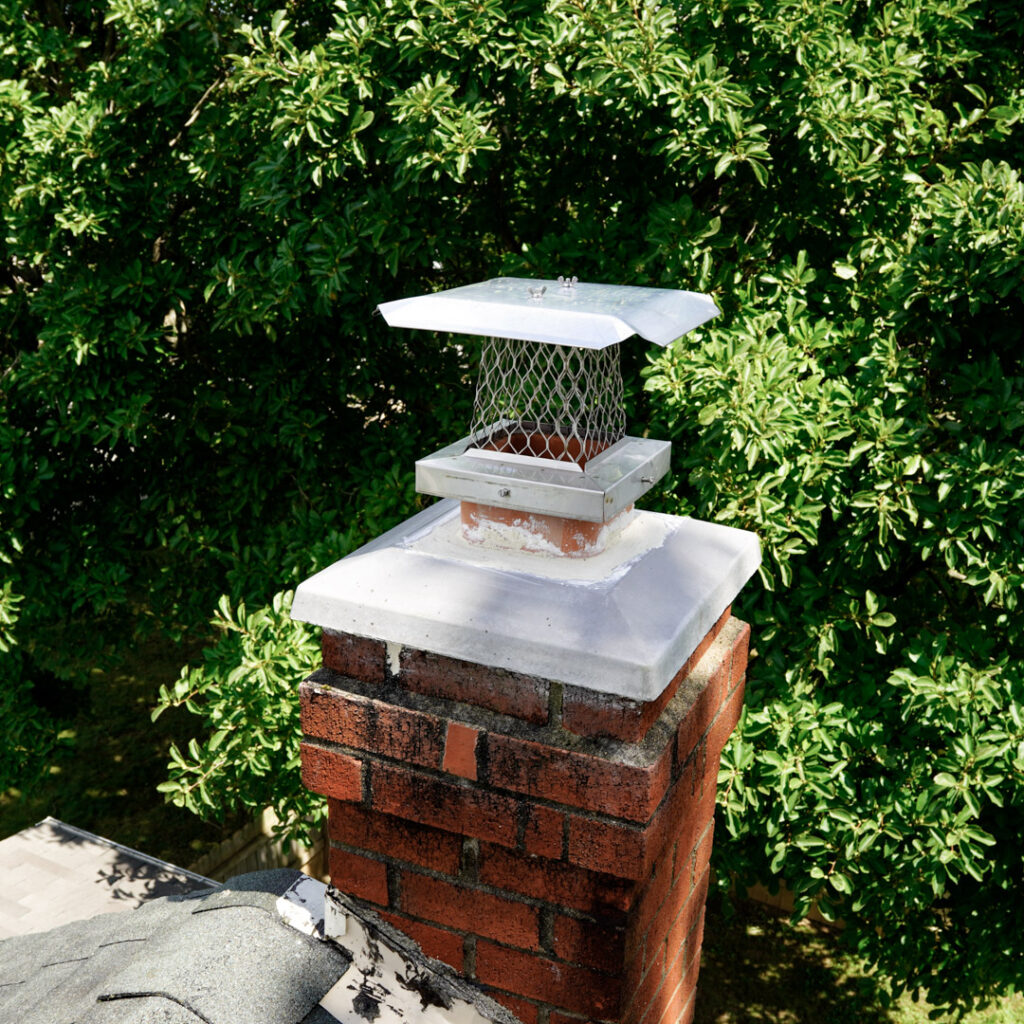
A chimney cap is an essential component that protects the flue liner and the interior structure from moisture intrusion. The cap features a wire-mesh screen with a spark arrestor, preventing wildlife from entering the chimney. Additionally, it prevents sparks and embers from landing on your roof while also minimizing downdrafts during windy days.
Test Smoke & Carbon Monoxide (CO) Detectors
Make sure smoke and carbon monoxide detectors on every level, especially near sleeping areas, are functioning correctly by testing them monthly.
Schedule Your Holiday Chimney Cleaning Today!
Annual chimney inspections and cleaning before the winter holidays help prevent fires and carbon monoxide risks. Schedule early with Wells & Sons, serving eastern Pennsylvania for over five decades.
Our CSIA-certified chimney sweeps provide expert inspections, cleaning, and repairs. As a family-owned business, we serve Wescosville, Fountain Hill, and nearby areas. Contact us today to help improve chimney & fireplace safety during the holidays.