



Spring Allergies vs. Fireplace Smoke: How to Protect Your Lungs
Spring is a beautiful, welcome reprieve from the cold winter days. But, with spring comes a spike in pollen and lingering chilly nights that beg for a fire. Both allergens and smoke can irritate lungs, especially for those with allergies or asthma. So the combination can be extra irritating for some people. Let’s look at some simple ways to reduce irritation without giving up comfort.
 Why Spring is a Double Trigger
 Why Spring is a Double Trigger
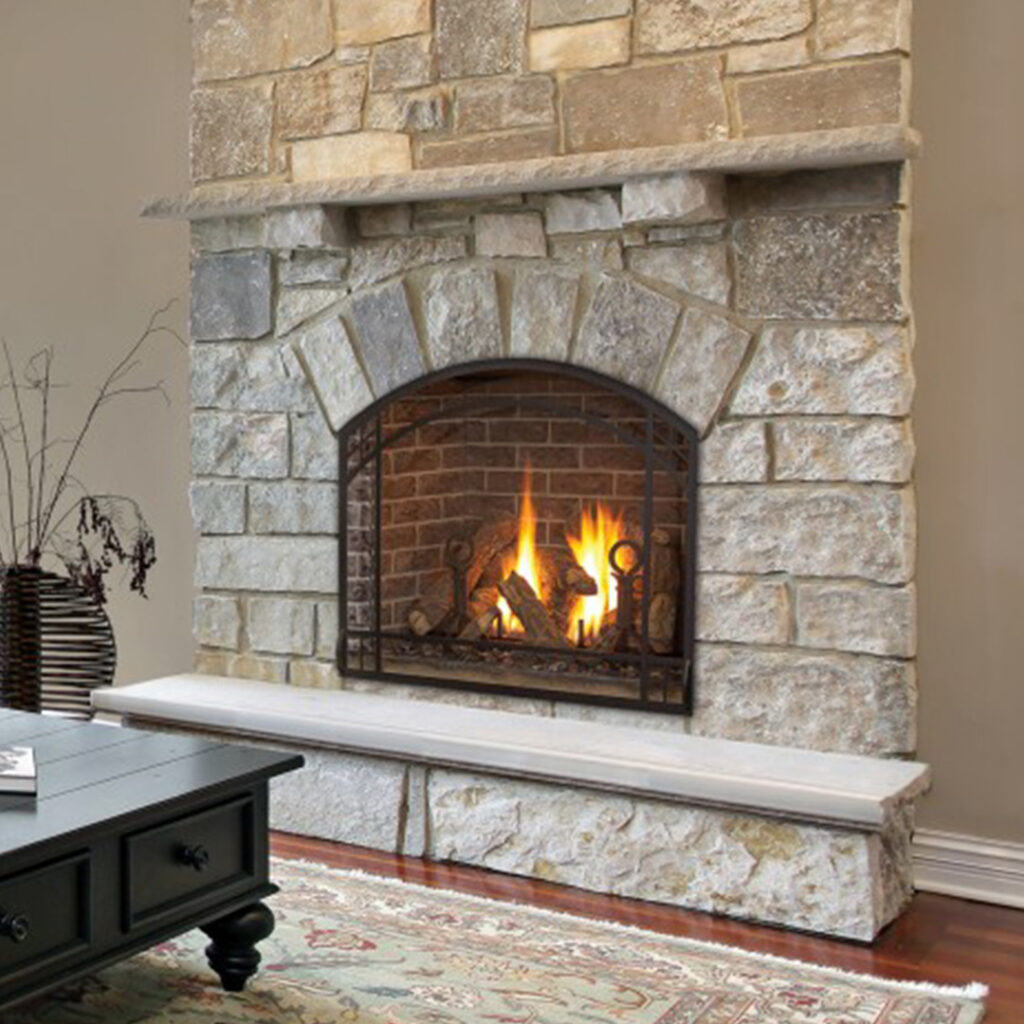
As trees, plants, and even grass make their arrival, pollen count rises drastically — some days more than others. At the same time, those sub-40-degree nights have people reaching for their fireplaces. The smoke from these fires contains fine particles and irritants. Combine the two, and you’re looking at potentially compounded inflammation. For people with sensitive lungs, eyes, or noses, dealing with both can be quite a struggle.
How Fireplace Smoke Affects Allergies and Asthma
Specifically, smoke contains particulate matter (PM2.5), carbon monoxide, and irritants. These can trigger symptoms, such as coughing, wheezing, or shortness of breath. Even the cleanest fireplaces and seasoned wood still naturally have byproducts. And after fires, smoke particles linger in the air and on surfaces, causing prolonged effects.
Even people without asthma can feel irritated on high-pollen days due to the combination and severity of pollutants. Weather apps can get a ballpark estimate of how bad certain pollutants are on any given day. On those days, people sensitive to these pollutants may want to avoid a fire to reduce additional exposure to particles.
Signs Your Fireplace May Be Making Symptoms Worse
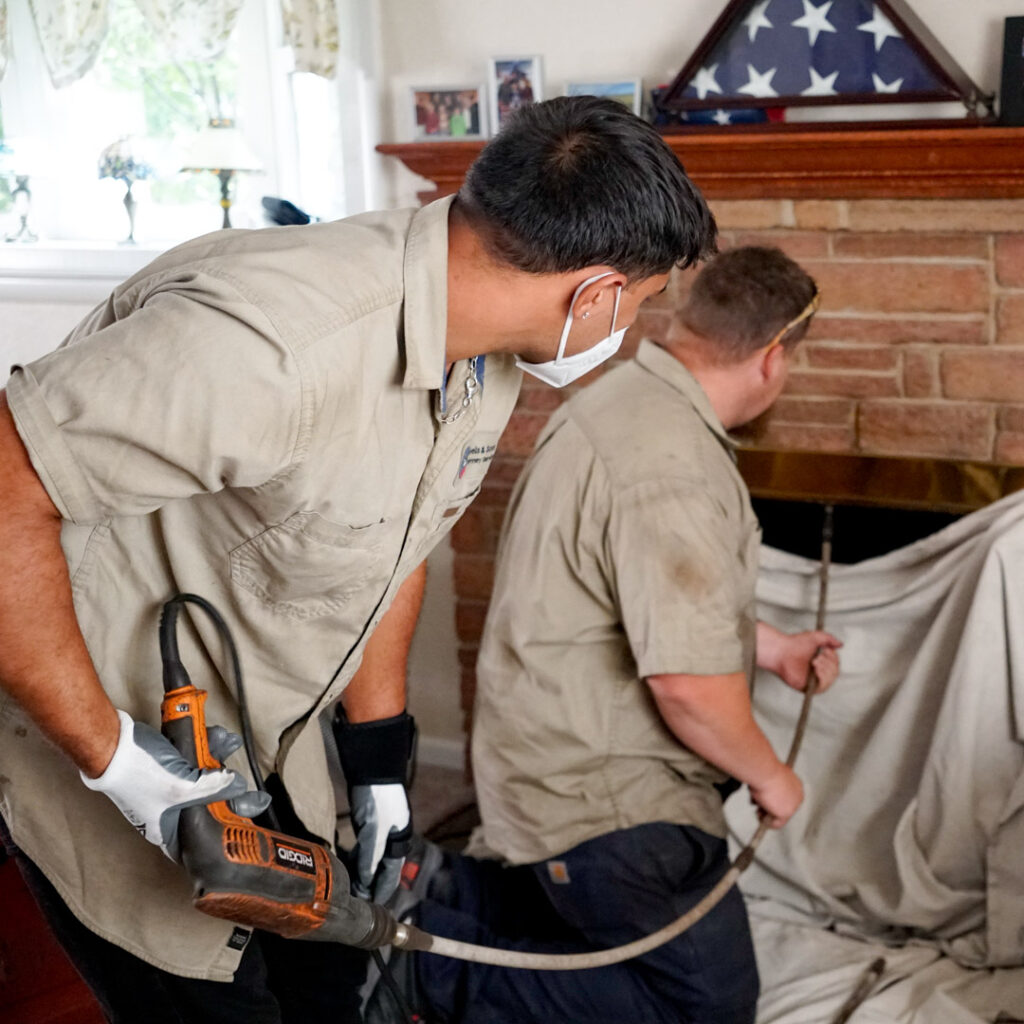
As mentioned, it is normal for all fires to produce some normal byproducts. But there are some signs that your fireplace may be overdue for a professional chimney sweep. If you happen to be sensitive to irritants, ask yourself if your symptoms worsen after lighting a fire in your chimney. If you find yourself using your inhaler more frequently or reaching for allergy meds, that’s a good sign that it could be exacerbating your symptoms.
Besides physical symptoms, you may also smell smoke lingering long after the fire is out. The indoor air may feel “dry” or “heavy” as well.
Simple Ways to Protect Your Lungs
 Simple Ways to Protect Your Lungs
If you struggle with symptoms, here are some easy ways to minimize them:
- Always burn seasoned, dry wood to reduce smoke
- Make sure the flue is fully open for proper ventilation
- Clean out the ash regularly
- Installing a HEPA air purifier can help capture lingering particles
- Add glass doors or screens to limit the spread
On high-pollen days, during asthma flare-ups, or when kids or pets show symptoms, it’s best to skip the fire.
Ready for A Chimney Sweep? Get Started Today
If you’re not sure whether your fireplace is contributing to indoor air issues, the team at Wells & Sons Chimney Service can help ensure your system is clean, properly vented, and safe to use year-round.