



What Kind of Damper is Best for Your Fireplace & Chimney?
This is an important question, particularly when it’s time to replace your damper. The most common damper style is a throat damper that’s located right above the fireplace. A second style sits at the top of your chimney. Which is best for you?
Wells & Sons Chimney & Fireplace Service of Gilbertsville, PA, would like to share information to help you decide on the best replacement option.
 The lifespan of a throat damper
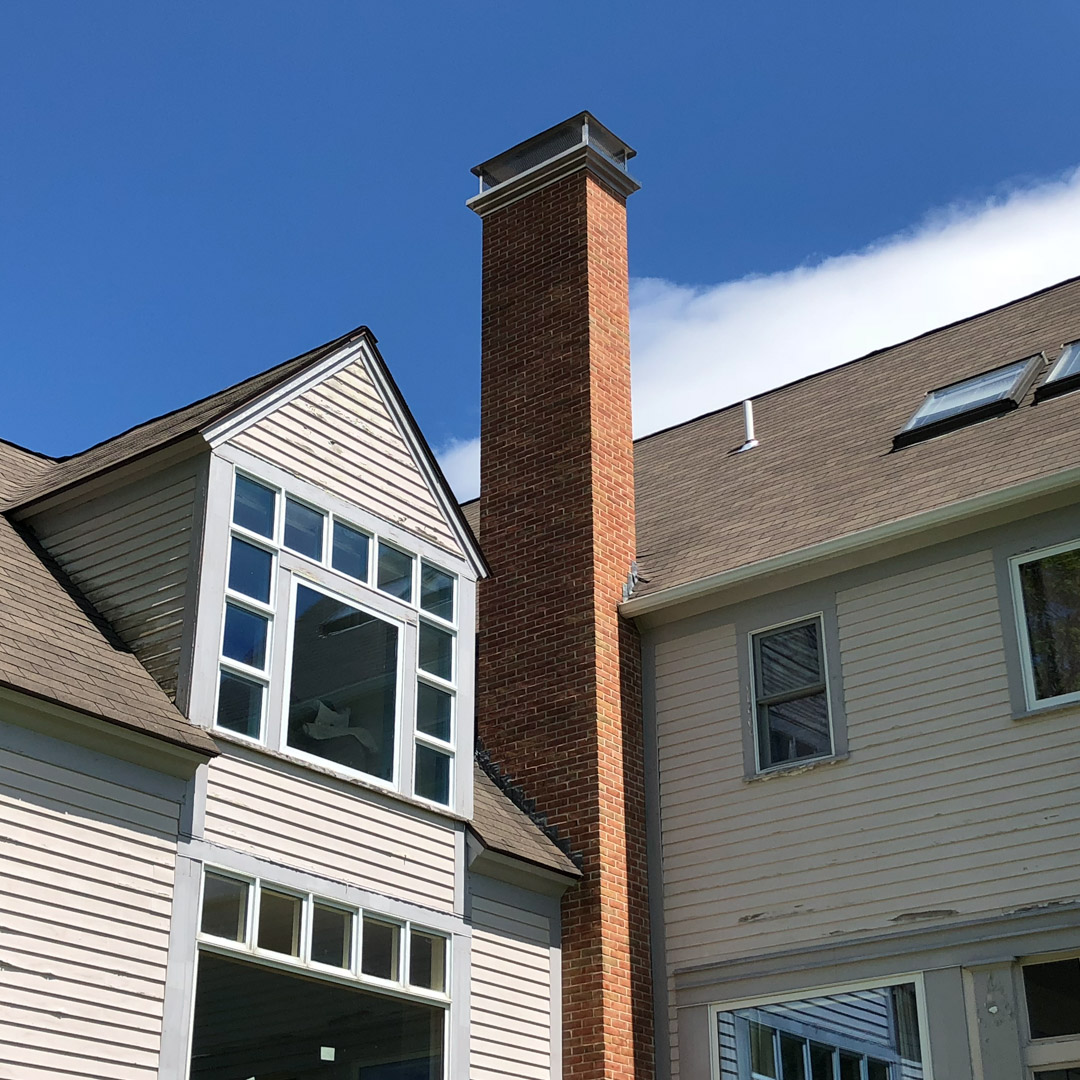
A well-made and properly installed throat damper above the fireplace should last for several decades if it’s serviced regularly and kept clean. But at one point, it’s going to need to be replaced.
When this time comes, you can simply add a new throat damper or, like many homeowners throughout Southeastern Pennsylvania, opt for a top-mount damper.
Benefits of top-mount dampers
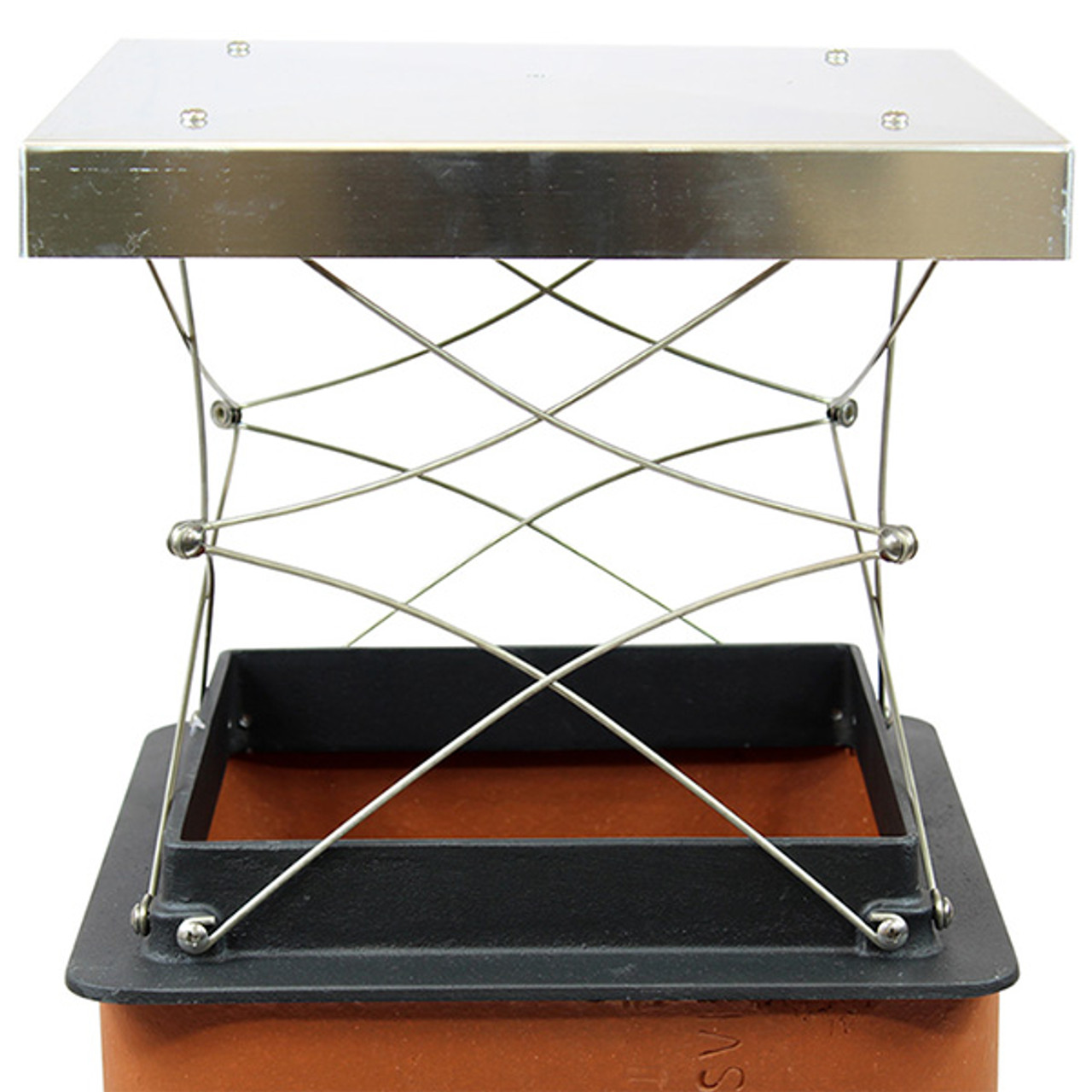
These dampers are installed over the flue opening at the top of a chimney. Like with throat dampers, you operate them with a handle connected to a pulley. Turned in one direction, the handle closes the damper; in the other direction, it opens it.
A metal plate opens and seals a throat damper. With a top-mount damper, opening and closing are done with a solid cap. Both damper styles let you control how much air moves into the active fireplace to draft smoke and combustion gases. But this is where similarities end.
With a damper at the top of your chimney, you get several important benefits.
Water shield
Top-mount dampers prevent rain and snow from entering the flue, where excess moisture can damage the chimney liner, interior masonry, and even the firebox. Water in a chimney system can also lead to dangerous mold growth that can spread throughout the home.
Tree debris
Leaves, twigs, and other tree debris can enter a chimney flue and cause a serious obstruction to draft. This can lead to smoke and deadly carbon monoxide backing up into your home. A top-mount damper will prevent this.
Small animals
Squirrels, birds, and other critters like to get into chimneys, and some of them build nests that can narrow the draft passage. Occasionally, an animal will die in the chimney, unable to escape. When this happens, you may not even want to be in the house because of the smell. Animals can’t get past a top-mount damper.
Warmer flue
With a secure damper over the top opening of the flue pipe, cold winter air won’t be blowing down into the chimney. This helps keep the air in the flue warmer, or at least less cold, which makes for smoother drafting.
By itself or in conjunction
A top-mount damper can be your only damper; it can also work in conjunction with an active throat damper. Just remember that both dampers will need to be adjusted before, during, and after fires.
Damper repair and replacement
If it’s time to have your damper inspected, repaired, or replaced, it’s time to call Wells & Sons. We work throughout Pennsylvania’s Montgomery, Chester, and Bucks counties, providing a full range of CSIA-certified chimney repairs and component replacement services.
Let us help you decide on the best damper style for your home. Speak with a chimney expert by phone or use our contact form.